
From Car Sales to Tradesmen Platforms: The Blueprint Behind Every Successful Listing Site
Lewis Cowan
The Bee Seen Company
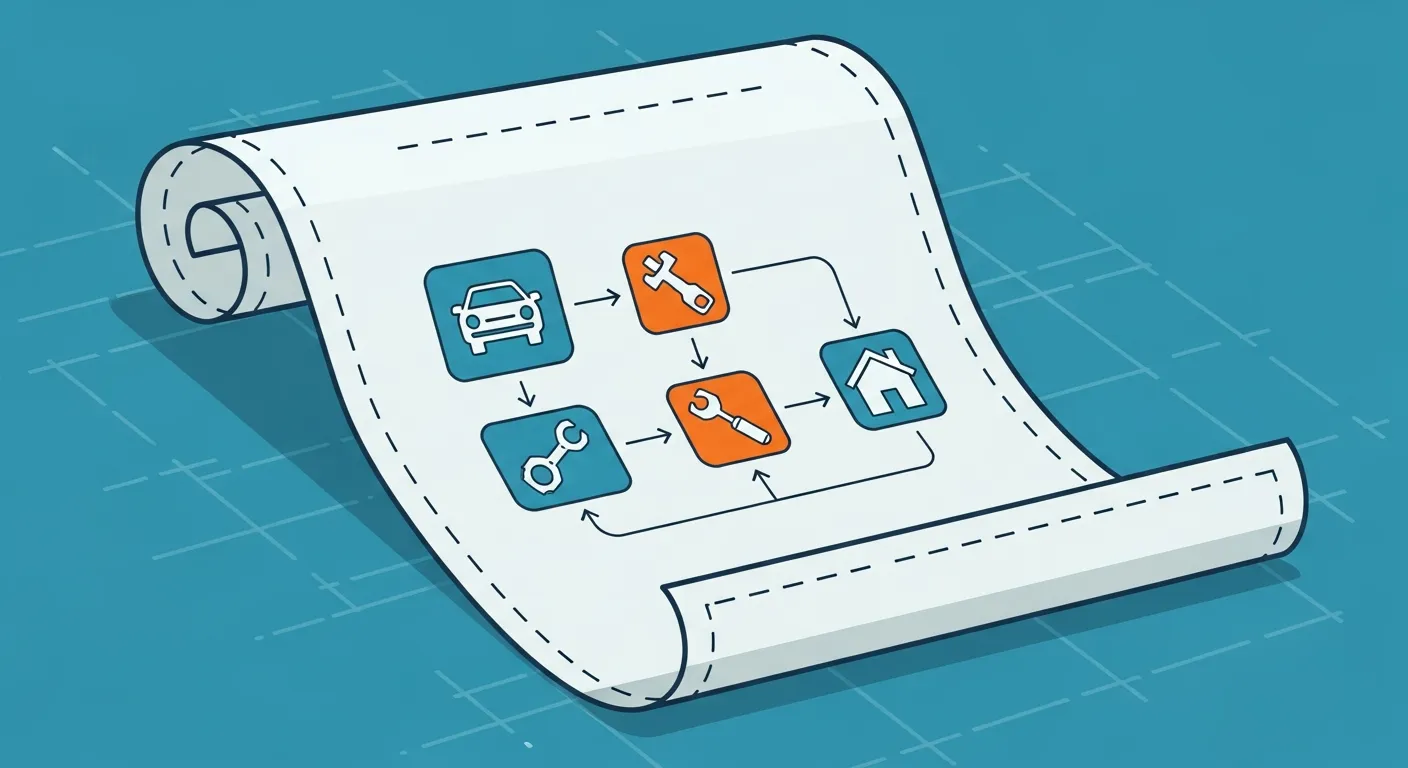
Ever fancied starting your own Auto Trader for [insert niche here]? Maybe plumbers, dog walkers, or even alpaca breeders? The idea seems simple: whack up a website with some listings, and Bob's your uncle. But here’s the thing – there’s a repeatable, scalable formula behind every successful listing site, and it’s not just about throwing something online and hoping for the best. Let’s break it down.
What Makes a Great Listing Platform?
Whether it’s cars, tradesmen, or even properties, successful platforms share the same DNA. It’s a bit like baking a good cake – the basic ingredients rarely change, but you can tweak the flavour depending on your niche. Here’s the core recipe:
1. Structured Listings: The Foundation Stone
Think of your listings as the shelves in a perfectly organised shop. People should be able to quickly find what they’re after without digging through a pile of digital clutter. That means standardising your listings.
Here’s what structured listings should include:
- Key fields: price, specs, location, contact info.
- High-quality photos (ideally 4-5 per listing).
- Clear descriptions that answer basic buyer questions upfront.
For example, Auto Trader shows you everything you’d want to know about a car (mileage, reg year, colour) right away. You’re spoon-fed the info, no faffing about.
Actionable Tip: Create templates for listings. If you’re starting small, WordPress plugins like WP Job Manager can help you get going in no time.
2. Location Pages: The SEO Traffic Magnet
Let’s be honest – most people’s first step in finding something is googling it. “Plumber near me,” “second-hand SUVs in Manchester,” or maybe “friendly alpacas for rent.” This is why location pages are your best mate when it comes to SEO.
By creating pages optimised for specific cities or regions, you’ll show up in local searches. Google loves these. Think “Electricians in Newcastle” and “Used Cars in Edinburgh.”
It’s not just about slapping a few words on a page – you’ll need:
- Local-focused keywords: Use tools like Google Keyword Planner to find what people are searching for in specific areas.
- Schema markup: This fancy-sounding thing tells Google important details about your listings, like prices and reviews.
- Google Business Profile integration: If your platform includes local businesses, make sure they’ve linked their profiles.
Actionable Tip: Aim for at least 20 location pages when you launch. Start with bigger cities and grow over time.
3. Category Pages: Guiding Buyer Intent
If location pages are the sat nav for your site, category pages are the big glowing signposts. They help people find what they want without wandering around aimlessly – remember, no one has patience these days.
Break down your niche into logical chunks:
- For car sales: things like “SUVs,” “convertibles,” or “diesel cars under £10k.”
- For tradesmen: “Plumbers for bathroom installations,” “Electricians for rewiring,” or “Roofers for tile repairs.”
Each page should act as a hub, where you can:
- Include filters and sorting (e.g., price, ratings, newest listings).
- Showcase featured (aka paid) listings.
- Link to individual listings and location pages.
Example: MyBuilder does this beautifully – you can search by type of job and location, narrowing it right down to someone who fits your precise needs.
4. Monetisation: Turning Visitors Into Quids
Now, let’s talk money. The fanciest platform in the world won’t pay your bills if it doesn’t have a monetisation strategy. The good news? Successful listing sites all follow similar models, and you can pick what works best for you.
Here’s a quick rundown:
- Freemium listings: A basic listing is free, but users pay to boost their visibility.
- Pay-per-lead: Ideal for tradesmen platforms – businesses pay for every customer lead they get.
- Featured spots: Users can pay for prime positioning on category or location pages.
Actionable Tip: Start with a simple freemium model. For example, £9.99/month to feature in the top 3 on a category page.
5. Internal Linking: For Users *and* Google
Internal linking is like giving Google a map of your site. It helps crawlers find and index your important pages, boosting your rankings. And for users, it means they’re less likely to get lost or leave out of frustration.
Make sure you've got:
- Breadcrumb navigation (e.g., Home > Cars > SUVs > Diesel SUVs).
- Related links on listing pages (e.g., ""You might also like…"").
- A clear silo structure (categories linking to locations, and vice versa).
Mistakes That’ll Tank Your Platform
Alright, so we’ve covered what to do. Now let’s chat about what NOT to do. There are a few common traps that can turn a promising listing site into an expensive flop.
Overbuilding Features
It’s tempting to add every bell and whistle – chat widgets, AI matchmaking, booking systems – but don’t. You’ll burn through money without solving the core problem: attracting users and getting them to convert. Focus on nailing listings, SEO, and monetisation first. The flashy extras can come later.
Ignoring SEO
If you skip SEO, you’ll be invisible. No location or category pages = no organic traffic. And relying solely on paid ads? That’s a one-way ticket to cash burn.
No Internal Linking
If Google can’t crawl and index your pages effectively, you’re toast. Internal links help keep users (and search engines) navigating through your site.
A Scalable Blueprint for Listing Sites (See Also: [How to Build a Profitable Niche Directory](/blog/profitable-niche-directory-website-2026))
Here’s the beauty: this structure is repeatable. Once you’ve figured out the blueprint, it’s easy to replicate it across niches. Want to branch out from car sales into tradesmen? Or wedding venues? The steps are the same – just swap out your categories and tailor the location pages.
Tools to Get You Started
- WordPress (with plugins like WP Job Manager).
- SEO tools: Google Search Console, Yoast SEO.
- Automation: Tools like Zapier to automate processes like lead emails.
Final Thoughts: Keep It Simple, Start Lean
Building a successful listing site doesn’t need a team of developers or a bottomless budget. Focus on getting the basics right – structured listings, SEO-focused pages, and a clear monetisation plan – before you start adding bells and whistles.
Still feeling stuck? Drop me a message at The Bee Seen Company, and I’ll help you figure it out over a coffee (or tea, if you must).
Cheers,
Lewis