
Is It Time to Ditch Your E-Commerce Platform? 7 Signs You’ve Outgrown WooCommerce, Shopify, or Magento
Lewis Cowan
The Bee Seen Company
Is It Time to Ditch Your E-Commerce Platform? 7 Signs You've Outgrown WooCommerce, Shopify, or Magento
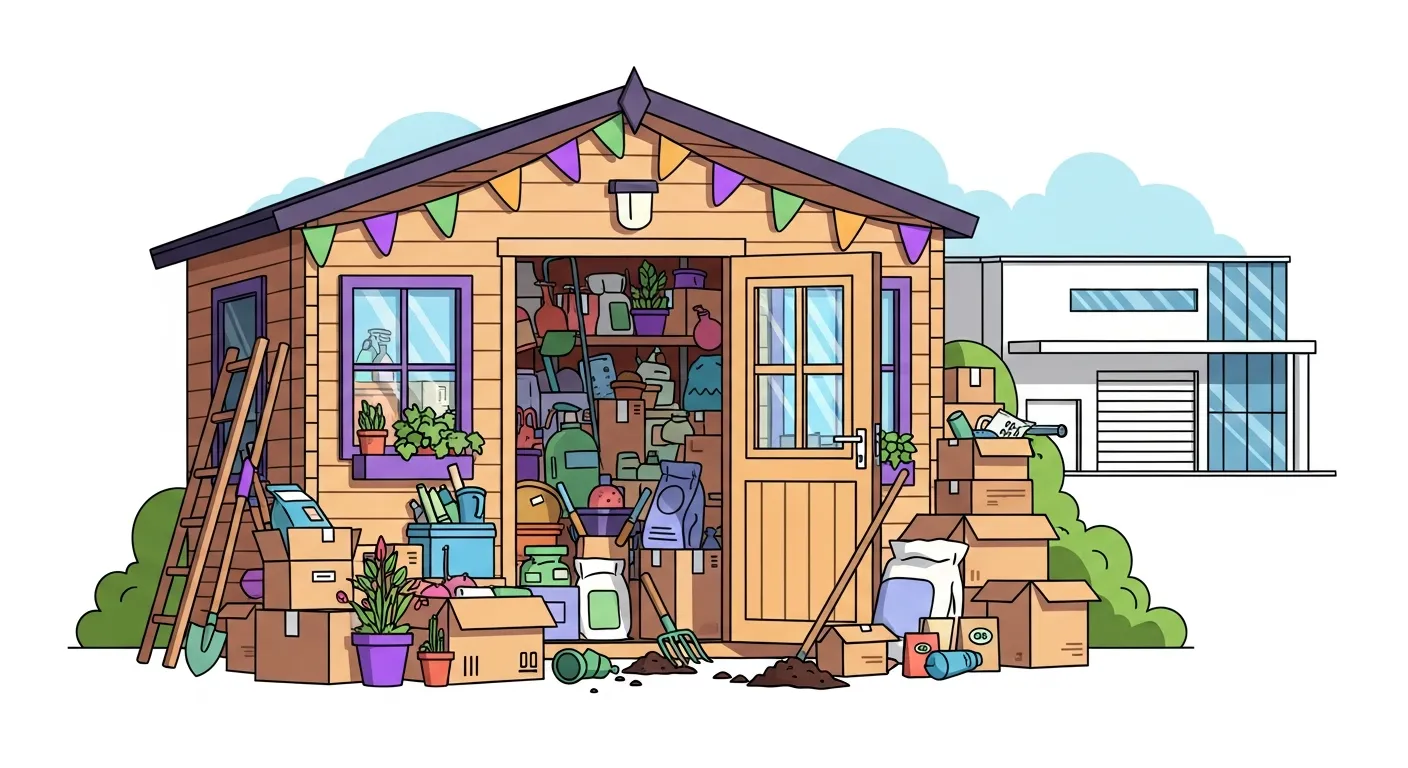
Picture this: your online shop started small, like a cosy corner market. Back in the day, WooCommerce, Shopify, or Magento might have been the perfect fit — cost-effective, simple enough to set up, and enough to get the tills ringing. But now, your store feels more like a department store, and your platform? A bit like trying to cram the whole operation into a garden shed.
Sound familiar? Growth's a wonderful thing, but it comes with growing pains — especially when your platform struggles to keep up. If you've spent more time lately firefighting issues than actually selling, it might be time to consider a custom-built solution.
Here are 7 telltale signs your current platform isn't cutting it anymore.
1. Plugin Conflicts Are Your New Normal
WooCommerce users, I'm looking at you here. How's that 27th plugin working out? If your answer's "barely" or "not at all", you're not alone. WooCommerce plugins are like bungee cords holding your store together — they work fine... until they don't.
Every time you add a plugin, you increase the risk of conflicts. One update and boom, half your site's broken. Plugin bloat also hammers your load times, and a slow site means frustrated customers hitting the back button faster than you can say "cart abandonment".
Use GTmetrix or PageSpeed Insights to benchmark your site. If you're running 20+ plugins and your load time is over 3 seconds, it's time to start fresh. A custom site replaces all that plugin chaos with a single clean codebase — no conflicts, no bloat, no drama.
2. You're Bleeding Cash from Subscription Creep
Subscription creep — the silent killer of small business bank accounts. Shopify and WooCommerce might seem affordable at first (£25/month, lovely), but those cheap plans balloon quicker than a "free trial" gone wrong. I break down exactly where your money goes in my post on the real cost of ecommerce platforms.
Fancy features like advanced SEO tools, analytics dashboards, or extra customisation all mean splashing out on premium apps. Before you know it, you're not paying £25/month anymore — you're paying £500/month and still hitting limitations.

Tally your platform fee, plugins, apps, and premium themes. If it's creeping past £300–£400/month, a custom build pays for itself within 6–12 months. Think of it less like an expense and more like buying a house instead of renting — with custom, you own the lot.
3. Your Checkout's Holding You Back
Checkout is where the magic (and the money) happens. If your checkout is clunky, restrictive, or downright annoying, you're losing cold, hard cash.
Take Shopify — their standard one-page checkout limits how much you can customise. Good luck adding dynamic upsells or Klarna widgets natively. A rigid checkout could cost you 15–20% in potential revenue.
Open Google Analytics and check your checkout drop-off rate. If more than 60% of people are bailing before completing their order, your checkout is almost certainly the culprit. A custom multi-step flow with Klarna, Clearpay, and loyalty discounts baked in can transform your conversion rate.
4. SEO Ranks Are Stuck in the Mud
WooCommerce, Shopify, and Magento all have SEO limitations baked in. Poor URL structures, limited metadata control, and dodgy schema markup are just a few of the culprits. If you are planning a move, read my guide on migrating to a custom ecommerce system without losing rankings first.
Google's Core Web Vitals became a big deal in 2024, and these platforms haven't kept up. WooCommerce sites especially are struggling — plugins often work against you by slowing load times and mucking up your structured data.
Run your site through Ahrefs or SEMrush. If you're seeing canonical issues, thin schema markup, or Core Web Vitals failures, it's time to move on. Custom builds give you full control — from pristine structured data to lightning-fast load times — so you can actually compete on Google.
5. Constant Updates Keep Breaking Things
Updates are meant to make things better. But when every WooCommerce or Shopify update feels like rolling the dice, something's got to give.
Shopify pushes updates bi-weekly, WooCommerce monthly. If these updates frequently break integrations or take your site down during peak trading times, it's like paying rent on a house with no roof.
If your site has experienced more than 4 hours of unplanned downtime in the past year due to platform updates, freeze all non-critical updates immediately and start planning a migration. Every hour of downtime during peak trading can cost more than a full month of hosting fees.
Custom-built sites give you full control over when and how updates happen. With a bespoke backend — Laravel, Symfony, or Node.js — you're not at the mercy of a platform's release cycle. You update on your terms, not theirs.
6. You're Chasing a Mobile-First Market
Nearly 70% of UK shoppers use their phones to browse and buy online. If your mobile experience isn't up to scratch, you're leaving serious money on the table. Platforms like WooCommerce and Magento simply weren't designed for the mobile-first experience customers demand today.
Go to PageSpeed Insights and run your URL. If your mobile score is below 70, or your page takes longer than 2 seconds to load, you have a problem. A custom-built site prioritises mobile-first design — every tap, scroll, and checkout step smooth as silk.
7. Scaling Feels Impossible
When your business is growing fast, your platform has to keep up. Off-the-shelf systems have hard limits — Shopify crumbles when you need enterprise features unless you upgrade to a plan costing thousands a month. Magento's complexity can make you feel like you need an IT degree just to log in.
If your platform can't handle 10,000+ orders a month or struggles with B2B scaling, that's a major red flag.
If your annual revenue is over £500K or you regularly see traffic spikes that slow the site, you've outgrown a shared platform. Custom-built sites using Next.js and Laravel scale without ceiling — and scaling bespoke code is far cheaper long-term than upgrading platform tiers.
How the Platforms Actually Compare
Still weighing up your options? Here's an honest side-by-side:
| Feature | WooCommerce | Shopify | Custom Build |
|---|---|---|---|
| Monthly cost | Free + £50–£500 in plugins | £25–£250+ per month | One-off investment |
| Customisation | Plugin-limited | Theme-limited | Fully unlimited |
| SEO control | Partial (plugins needed) | Partial (restricted URLs) | Full control |
| Mobile performance | Variable | Variable | Optimised by design |
| Scalability | Limited | Limited (costly tiers) | Unlimited |
| Checkout flexibility | Restricted | Restricted | Fully custom |
| Stability | Plugin-dependent | Platform-dependent | You control it |
| Data ownership | Yours (WP-dependent) | Locked in Shopify | 100% yours |
The Custom Solution: Build It, Own It
If your e-commerce platform is struggling to support your growth, here's what switching to a custom build actually gives you. I helped Swan Robes do exactly this - read the full case study.
- Full control: No more being at the mercy of platform limitations or plugin chaos.
- Better performance: Faster load times, seamless mobile experiences, no messy workarounds.
- Scalability for days: Built to handle bigger traffic, orders, and features as your business grows.
AI is also making custom builds faster and more affordable than ever. Read more about why custom ecommerce is back with AI.
How to Get Started
Switching to a bespoke solution sounds daunting, but it doesn't have to be. Here's a simple 5-step checklist:
- Export your product and order data (WooCommerce CSV or Shopify XML).
- Build a Minimum Viable Product for your new custom site — start lean and grow.
- Run an A/B test using Google Optimize to compare performance across both versions.
- Switch your DNS and set up 301 redirects to preserve your SEO rankings.
- Monitor for 30 days using Hotjar and GA4 to catch any friction points early.
If you want an honest conversation about whether a custom build is right for your business, book a free call and I will give you a straight answer — no jargon, no hard sell. You can also check out my shopping cart migration service to see exactly how I help businesses make the switch.