
Before You Build a Directory Website: The 5 Decisions That Make or Break It
Lewis Cowan
The Bee Seen Company
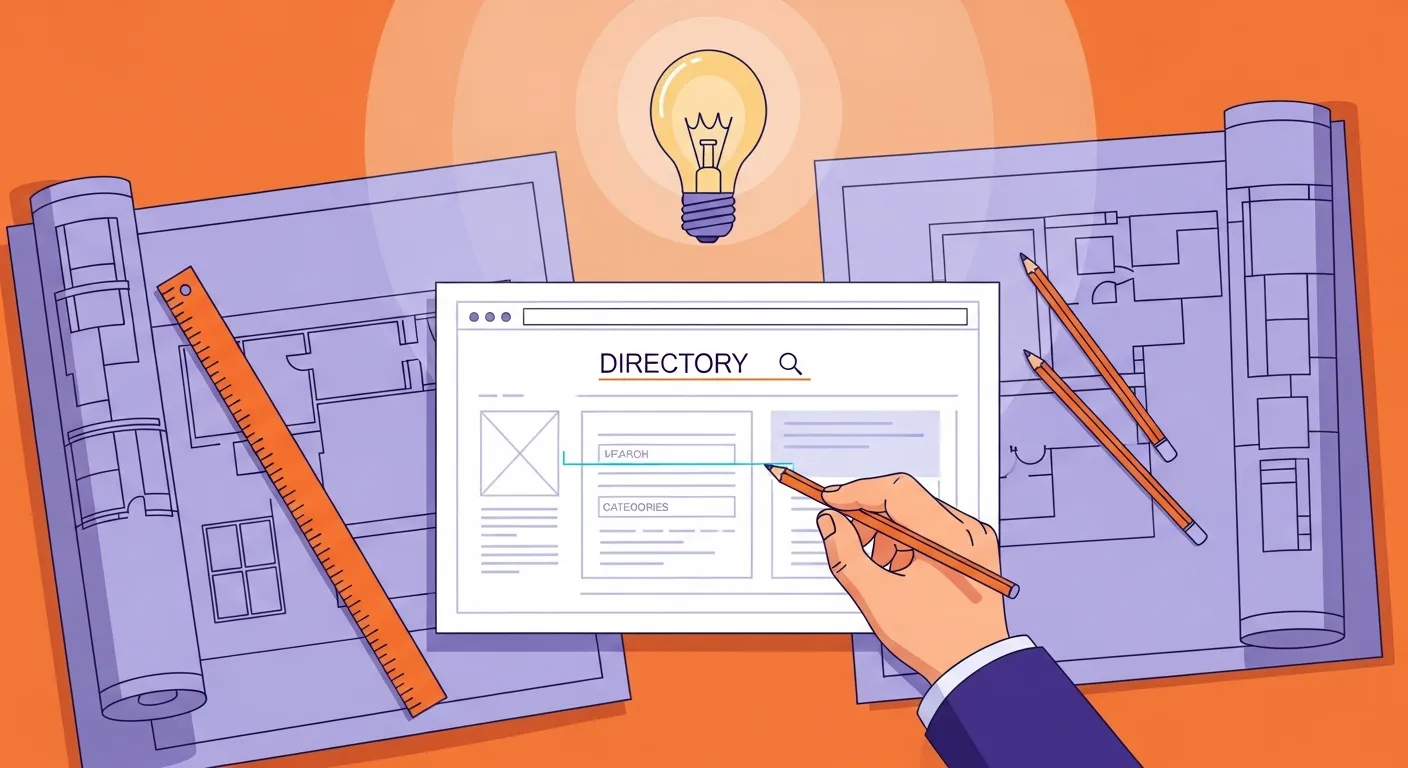
Building a directory website sounds like a cracking idea, doesn’t it? Bring businesses and customers together, charge a wee fee, and watch the pounds roll in. Simple! Except it’s not. Done wrong, you’ll end up pouring time and money into a site that serves as a cobweb collector because no one’s using it. Done right, though, it could become a dependable, recurring revenue stream.
The secret? Making a few big decisions first. If you want the full playbook, also read how to build a profitable niche directory. These five decisions will determine if your directory is a profit machine… or a pricey lesson in what not to do.
1. Who’s paying, and why are they coughing up every month?
The first question you need to answer is obvious but often overlooked: “Where’s the money coming from?” If your plan is “I’ll figure it out later,” stop now. You've already hit the dead end. That’s like building a shop, filling it with stock, and going, “Oh aye, forgot to add tills.”
Most directory websites make money by charging businesses a monthly fee. But that fee has to be justifiable. Why would a small business owner part with £10, £20, or £50 every month? They won’t pay just for warm fuzzy feelings; they’ll pay because your directory drives them leads.
Here’s how you make it worth their while:
- Do your maths: Can you promise a return on investment (ROI)? For example, a plumber might happily part with £30/month if they get 5 jobs worth £300. But one booking every six months? Nae chance.
- Offer tiers: Have a free basic listing for visibility, but charge for extras like priority placement, verified badges, promotional boosts, or analytics access. Think “basic Netflix vs. premium Netflix” - same movie, better experience.
- Niche down: Be specific. A directory for, say, independent pet groomers in Glasgow will have better appeal than ""all businesses in Glasgow"". Trades, niche industries, or local geographies are easier to monetise.
People won’t pay you consistently if you build a directory that’s more of a wallflower than a business generator.
2. Where’s your traffic coming from?
You can build the most brilliant directory the UK has ever seen, but if no one shows up, it’s like opening a cafe in the middle of a forest.
Traffic is king, so nail your strategy upfront. I explain why local directories still outperform social media for lead generation. Most directories heavily rely on Google and social media, but don’t put all your eggs in one basket. Diversify where your traffic comes from:
- Hyperlocal SEO: Did you know businesses using specific location-based keywords get 73% more local enquiries? Go ultra-specific: instead of “electricians in London,” try “electricians in Wimbledon for rewiring”.
- Voice search optimisation: By 2026, 40% of directory leads will come from voice searches. This means conversational terms like “nearest 24-hour plumber in Manchester” will matter more than ever. Start building for voice search now.
- Social media integration: Add share buttons, run targeted social campaigns, and maybe even let businesses manage social media feeds through your platform. Directories that hook into spaces where people spend time (hello, TikTok!) get more eyeballs.
- Partnerships and backlinks: Team up with local groups (like neighbourhood Facebook pages), council directories, or even apps like Nextdoor to share traffic.
The bottom line? Don’t rely solely on Google’s generosity. Without solid traffic strategies, your directory will sink into obscurity faster than a bad meme.
3. What makes your directory better than Google?
Let’s tackle the big question: why won’t someone just search on Google instead? If your directory doesn’t offer something Google can’t (or won’t), you’re in trouble. Spoiler alert: “We’ve got loads of businesses listed” isn’t enough.
Google’s a behemoth. What you need to do is focus on niches and features that add value Google hasn’t conquered yet:
- Hyperlocal convenience: Google shows options near you, but it doesn’t excel at hyperlocal. A directory full of businesses that are specific to a neighbourhood or target audience (e.g., ""craft fairs in Bristol"") offers more relevance.
- Better user tools: Progressive web apps (PWAs) are ace features. A directory that includes tools like queue times, online booking, or real-time updates will keep users coming back. London coffee shops could integrate queue info - sounds daft, but users love convenience.
- Specialist searches: Google is great for generic searches, but niche directories like Yell succeed because they cater to specific intents, like finding tradespeople. Find your niche.
If your directory is just a lazy list of businesses anyone could Google, it’ll fail. Make it indispensable.
4. Do you have a long-term moat?
Moats aren’t just for castles. In business terms, they’re what protects your directory from competition. Without one, competitors can copy your idea and steal your audience faster than you can say “who nicked my customers?”
Think about what makes your directory hard to replace. Some examples:
- Exclusive data and verification: Charging businesses for verified listings that automatically sync across platforms (like Yell and 192.com do) creates exclusivity. Verified businesses see 67% more customer enquiries than unverified ones.
- Sophisticated content: Invest in high-quality content that can’t be immediately replicated, like hyperlocal blogs or video walkthroughs. Competitors might have listings, but you’ll have the trust.
- Community integrations: Build in local event integrations, reviews, or AI-personalised recommendations to keep users loyal.
A moat isn’t optional. Without one, you’re just a sitting duck - and trust me, there are plenty of hungry competitors out there.
5. Are you avoiding the big dead ends?
There are a few classic mistakes budding directory builders make. Here’s what to avoid like the plague:
- “I’ll figure out monetisation later” - Nope. You need at least a sketch of who’s paying, how much, and what they’re paying for.
- “I’ll rely on ads for income” - Ads aren’t the golden goose you think they are. They rely on massive traffic, and even then, users prefer to deal directly with businesses. Subscriptions beat ads for steady income.
- “I’ll add features later” - If you don’t launch with key features like mobile optimisation, you’ll struggle to catch up. Mobile users account for 84% of directory searches in the UK.
- Half-arsed listings - If the businesses on your site can’t be bothered to update their profiles, customers will think they’ve gone bust. Regular audits are essential.
- Overbuilding too soon - Keep it focused at first. It’s better to dominate one sector/niche than half-heartedly launch with 50 irrelevant categories.
Action Steps to Get Started
Ready to stop dreaming and start building? Here’s your quick-start checklist:
- Decide your niche and pricing tiers: Who’s paying you, and why? Build a model that’s affordable but profitable.
- Prioritise mobile and hyperlocal SEO: The stats speak for themselves - mobile searches dominate, and specific local terms get results.
- Launch with essential features: Mobile-first design, verified listings, and a clear monetisation structure.
- Focus on traffic-building strategies: Hyperlocal SEO, social media integration, and voice search optimisation.
- Plan your long-term moat: Exclusive data, custom features, and community integration to stay ahead.
In a Nutshell
Building a successful directory site isn’t luck; it’s all about smart decisions. Nail these five things before you even think about launching, and you’ll be miles ahead of most failed attempts.
If you’re stuck, need advice, or want a hand getting started, get in touch with me over at The Bee Seen Company. I might not have all the answers, but I’ve got plenty of caffeine and more bad analogies where these came from.
Cheers,
Lewis | The Bee Seen Company